Creating professional-looking footage is key to engaging your audience. Video stabilization is a big part of this. It’s important whether you’re using a smartphone or a professional camera. Stabilizing your video prevents shaky footage and makes it smooth to watch.
Many foldable smartphones now have advanced features for video stabilization. This helps in making your videos look better.
Understanding the importance of video stabilization is the first step. By learning how to stabilize your video, you can improve its quality. This makes your footage more enjoyable to watch and share.
With the right equipment and techniques, you can make your videos stand out. They will captivate your audience and set you apart.
We’ll cover everything you need to know about stabilizing shaky video. From the basics to advanced techniques and equipment, we’ve got you covered. By the end of this article, you’ll know how to make high-quality, professional-looking footage.
You’ll also understand why video stabilization is so important. It’s key to creating engaging content.
Key Takeaways
- Video stabilization is essential for creating professional-looking footage
- Shaky video can be prevented using the right equipment and techniques
- Foldable smartphones offer advanced features to help reduce shaky video
- Mastering video stabilization techniques can enhance the quality of your footage
- Understanding the basics of video stability is crucial for improving your video recording skills
- Advanced equipment and techniques can help achieve professional-looking footage
- Video stabilization is vital for producing high-quality content that engages your audience
Understanding Video Stability: Why It Matters
Stability is crucial for capturing top-notch video. Video quality suffers when footage is shaky, making it less engaging. Even with the latest smart folding devices, knowing the basics of video stability is key for professional results.
Several factors can cause shaky footage, like hand movement or bad camera handling. It’s vital to understand these causes and take steps to avoid them. This way, you can greatly enhance the video quality of your recordings.
Impact on Video Quality
A stable video greatly impacts how your content is seen. Smooth, steady footage engages your audience better and conveys your message clearly. But, shaky footage can be distracting and lessen your video’s impact.
Common Causes of Shaky Footage
Some common reasons for shaky footage include:
- Hand movement or camera shake
- Improper camera handling or technique
- Low light conditions
- Wind or other environmental factors
Professional vs Amateur Looking Results
Getting professional results with stable video can change how your content is viewed. Stable video shows professionalism and quality, while shaky footage looks amateurish. With the right techniques and gear, you can get high-quality, stable video that grabs your audience’s attention and delivers your message well.
Essential Equipment for Stable Video Recording
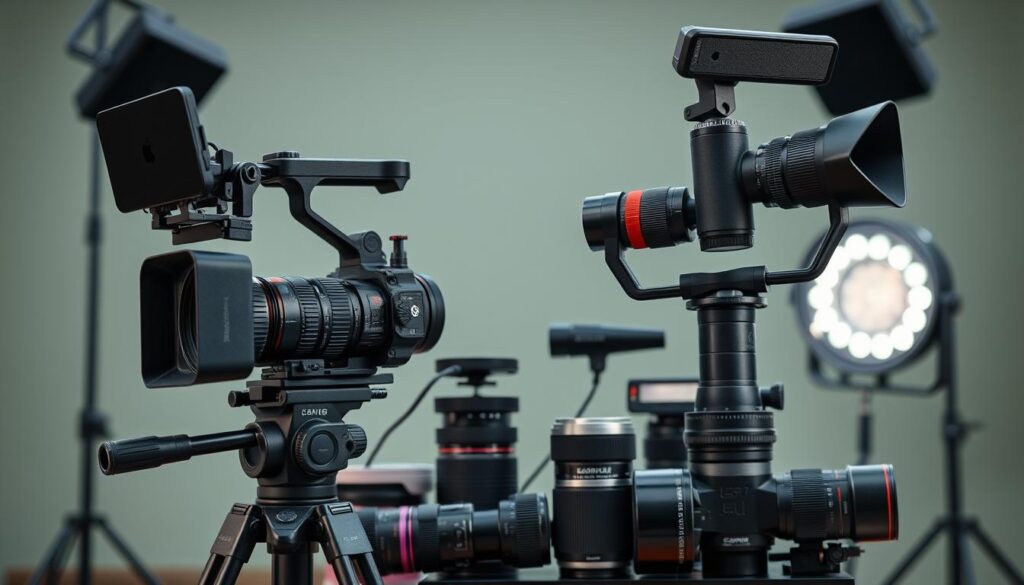
For stable video, the right video recording equipment is key. A good tripod is essential for any serious videographer. It gives your camera a solid base, reducing shake and allowing for smooth movements.
Gimbals and camera cages also help stabilize your footage. They’re great for handheld shots or when you’re in tight spots.
The foldable phone trend has changed video recording equipment a lot. Many new phones have features like optical and electronic image stabilization. These help smooth out camera shake and blur, making your video look professional.
Some top video recording equipment for stable video includes:
- Tripods and monopods
- Gimbals and stabilizers
- Camera cages and rigs
- External lenses and accessories
Investing in the right video recording equipment can greatly improve your video recording. It doesn’t matter if you’re using a dedicated camera or a foldable phone. The right gear can make your footage look professional.
Basic Techniques to Stabilize Shaky Video
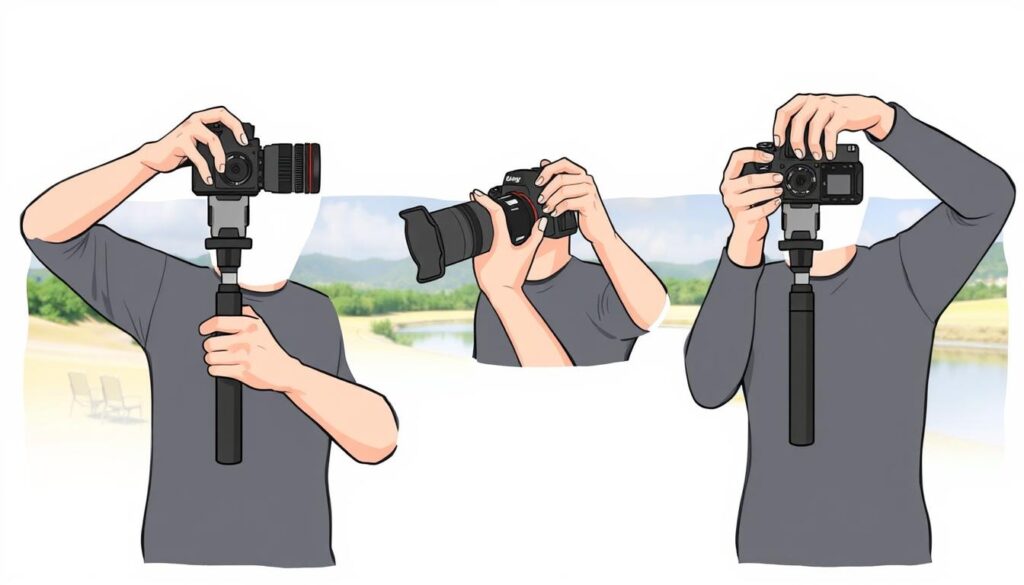
Learning basic techniques is key to stabilizing shaky video. It doesn’t matter if you’re using a pro camera or a smartphone, including the latest smart folding devices. These skills are crucial. By practicing good hand-holding, you can greatly reduce camera shake and enhance your video’s quality.
Body posture and movement are also important. Keeping good posture and moving smoothly can cut down camera shake. Also, controlling your breathing while recording helps you stay calm and focused, leading to smoother footage.
Some key techniques to remember include:
- Keeping your arms close to your body to reduce camera shake
- Taking slow, deep breaths to relax and stay focused
- Using your body to move smoothly and steadily
By using these techniques in your video recording, you’ll get high-quality, stable footage. Even with smart folding devices. Remember to practice often to get better at these skills and improve your video quality.
With these basic techniques, you’re on your way to making professionally stable videos. Whether you’re experienced or just starting, mastering these skills will elevate your video production.
Advanced Hardware Solutions
Investing in advanced hardware can greatly improve your video recording. Gimbal stabilizers offer smooth footage, even in tough conditions. With foldable tech, these solutions work great with the latest devices.
Choosing the right hardware is key. Steadicam options improve stability and reduce camera shake. Camera cage systems provide a solid base for mounting cameras and gear.
Advanced hardware brings many benefits:
- Improved video stability and reduced camera shake
- Enhanced creativity and flexibility when recording
- Increased durability and protection for cameras and equipment
As tech advances, so will video recording solutions. Foldable tech will likely lead to new innovations. Investing in gear like gimbal stabilizers and camera cages helps you stay ahead. You’ll get professional-looking videos.
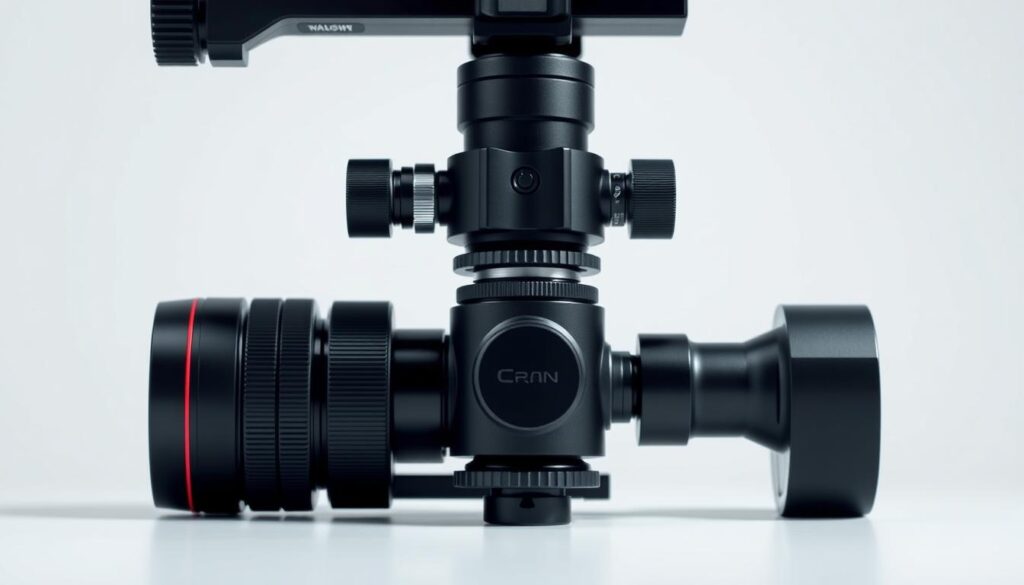
The secret to great video is the right gear and knowing how to use it. With advanced hardware and video skills, you can create stunning videos.
| Hardware Solution | Benefits |
|---|---|
| Gimbal Stabilizers | Smooth and stable footage, reduced camera shake |
| Steadicam Options | Improved stability, reduced camera shake, enhanced creativity |
| Camera Cage Systems | Sturdy and versatile platform, increased durability and protection |
In-Camera Stabilization Features
Many modern cameras and smartphones have in-camera stabilization. This feature helps reduce shake and blur. It’s key for making videos look professional, even with future of foldable mobiles.
Using in-camera stabilization offers many benefits. It cuts down camera shake, boosts low-light shots, and improves video quality. But, it’s important to know its limits. Mixing it with other video stabilization methods can make videos smoother and more polished.
In the future of foldable mobiles, in-camera stabilization will be even more important. As these devices grow in popularity, so will the need for top-notch video recording. Knowing how to use in-camera stabilization well will help users capture amazing videos on their foldable phones.
- Improved video quality
- Reduced camera shake
- Enhanced low-light performance
By using in-camera stabilization and other video stabilization methods, users can take their video recording to new heights. This keeps them at the forefront of mobile technology’s fast-paced changes.
Post-Production Methods to Fix Shaky Videos
Even with the best equipment, shaky footage can still happen. Post-production methods can save the day. Video editing software helps stabilize footage, making it look professional.
In the foldable display market, where devices are getting smaller, high-quality video is more important. To meet this need, having the right tools and techniques is crucial.
Popular Video Editing Software
Adobe Premiere Pro, Final Cut Pro, and DaVinci Resolve are top choices for stabilization. They offer features from basic to advanced to stabilize your footage.
Built-in Stabilization Tools
Some cameras have built-in stabilization tools. These tools help reduce camera shake, making footage smoother.
Third-Party Plugins and Effects
For advanced stabilization, third-party plugins and effects are available. They work with video editing software to offer more options.
| Software | Stabilization Features |
|---|---|
| Adobe Premiere Pro | Warp Stabilizer, Rolling Shutter Repair |
| Final Cut Pro | Stabilization, Rolling Shutter Correction |
| DaVinci Resolve | Stabilization, Lens Correction |
Using these post-production methods ensures your video is stable and professional. It’s perfect for the foldable display market and other uses.
Smartphone-Specific Stabilization Tips
Smartphones are now great for video recording. To get better video, using smartphone stabilization tips is key. Native app features like optical image stabilization help a lot. They reduce camera shake and blur.
Third-party apps also help a lot. They offer features like video stabilization and object tracking. These apps work well with foldable smartphones. The phone’s design can even act as a makeshift gimbal.
Native App Features
Apps like Apple’s Cinematic mode or Google’s Pro mode help with video stabilization. They let you control camera settings like exposure and focus. This helps get better stabilization.
Third-Party Mobile Apps
Apps like Filmic Pro or ProCam have advanced stabilization features. They include optical and electronic image stabilization, and even AI-powered stabilization. These features help make your video smoother and more professional.
Using native app features and third-party apps can greatly improve your video quality. Whether you’re just starting out or are a pro, these tips can help. You’ll get more stable and polished video.
| App | Features | Price |
|---|---|---|
| Filmic Pro | Advanced video stabilization, manual focus, and exposure control | $14.99 |
| ProCam | Optical image stabilization, electronic image stabilization, and AI-powered stabilization | $4.99 |
Professional Workflows for Video Stabilization
For professionals and serious videographers, having an efficient workflow is key. It helps produce high-quality, stable video content. This includes pre-production planning, where videographers choose the right equipment and techniques for video stabilization. With the rise of foldable technology, professionals seek ways to use these devices in their work. This adds flexibility and creativity.
A good professional workflow for video stabilization has several steps:
- Planning and preparation: This includes scouting locations, planning shots, and preparing equipment.
- Recording: This is where filming happens, using methods like hand-holding or gimbal stabilization to reduce camera shake.
- Post-production: Here, the footage is edited and stabilized using software or tools to achieve the desired video stabilization.
By using foldable technology growth in their workflows, professionals can explore new creative and efficient ways to produce video. For instance, foldable screens can be used to review and edit footage on location. This streamlines the post-production process and speeds up turnaround times.
As professional workflows evolve, it’s crucial for videographers to keep up with new video stabilization technologies and techniques. This ensures they can create high-quality, stable video content. Such content meets the needs of their clients and audiences.
By adopting a professional workflow that uses the latest technologies and techniques, videographers can ensure top-quality video. This video has minimal camera shake and maximum stability. Such quality enhances the viewing experience and engages audiences better.
| Workflow Step | Description |
|---|---|
| Pre-production | Planning and preparation |
| Recording | Filming using various techniques |
| Post-production | Editing and stabilizing footage |
Common Mistakes to Avoid When Stabilizing Footage
Stabilizing footage can be tricky, even with top-notch gear and skills. Knowing common mistakes is key, more so with foldable phones. These devices have unique handling needs.
Common errors like over-stabilization and resolution loss can ruin your video. These problems are big with some stabilization tools and foldable phones.
Here are some tips to keep in mind:
- Avoid over-stabilization by balancing stability and natural movement.
- Stop resolution loss by keeping your video’s original quality.
- Reduce workflow errors by making your process smoother and using compatible tools.
By watching out for these mistakes, you can make sure your videos are top-notch. This is true even with foldable phones.
Staying away from common video stabilization mistakes needs knowledge, practice, and detail. Knowing about over-stabilization, resolution loss, and workflow errors helps. This way, you can make videos that look great, even with the latest foldable phones.
Conclusion: Creating Professionally Stable Videos
The world of video is always changing, and stable footage is more important than ever. Learning how to stabilize videos can make your content amazing. This skill is key for both pros and newbies in video making.
As foldable mobiles become more common, the need for great video will grow. Using the tips from this guide, you’ll be ready for the future of video. Your videos will be top-notch and grab everyone’s attention.
Stable videos aren’t just about the gear or software. It’s about knowing the basics, mastering techniques, and believing in your vision. Now, you’re ready to improve your video skills and connect with your audience in a big way.