Photography has become easier with the rise of foldable smartphones. The trend of foldable phones has made mobile photography more popular. It’s important to know how to edit your photos to make them stand out. In this article, we will share essential tips and tricks for professional photo editing.
We will cover everything from the basics to advanced techniques. Whether you use a foldable smartphone or a professional camera, our tips will help. You’ll learn how to enhance your photos and make them look stunning.
Key Takeaways
- Learn the basics of photo editing to enhance your photos
- Understand how to use professional photo editing software
- Discover the importance of lighting and exposure adjustments
- Learn how to edit photos like a professional photographer
- Get tips on how to make your photos stand out with the foldable phone trend
- Improve your photo editing skills with our essential tips and tricks
Understanding the Basics of Professional Photo Editing
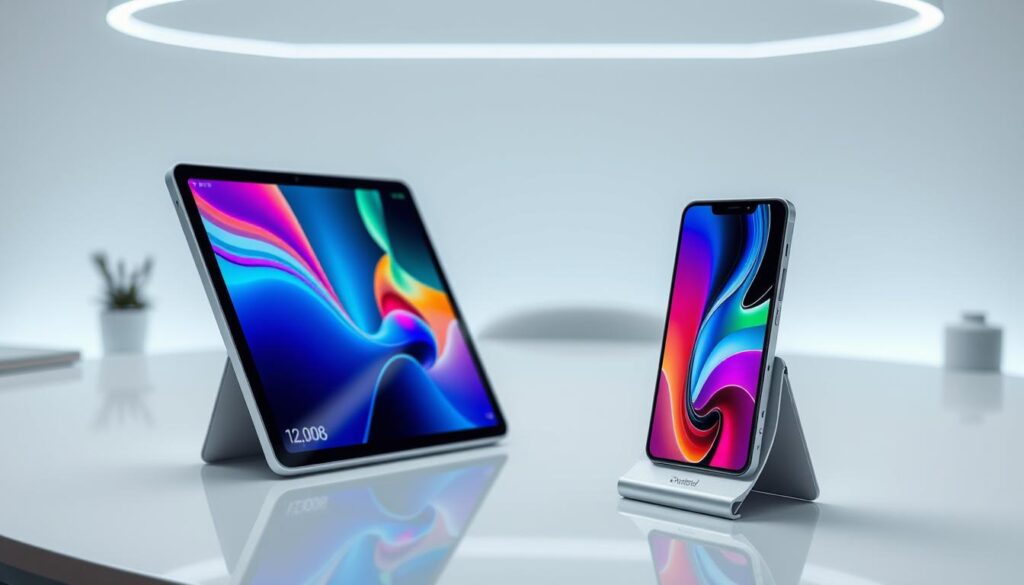
Before you start with professional photo editing, it’s key to know the basics. You need to learn about terms like resolution, compression, and color modes. With foldable technology on the rise, using smart folding devices can make editing easier.
A pro photo editor should know about file formats like RAW, JPEG, and TIFF. Each has its own strengths and weaknesses. For example, RAW files give you more editing options, while JPEGs work best for the web.
Essential Photo Editing Terms and Concepts
- Resolution: The number of pixels in an image, which affects its clarity and detail.
- Compression: The process of reducing an image’s file size, often affecting its quality.
- Color modes: Different modes, such as RGB or CMYK, used to represent colors in an image.
As foldable technology growth keeps moving forward, smart folding devices will likely change photo editing. Knowing the basics and keeping up with new tech will help you improve your editing skills.
Choosing the Right Photo Editing Software
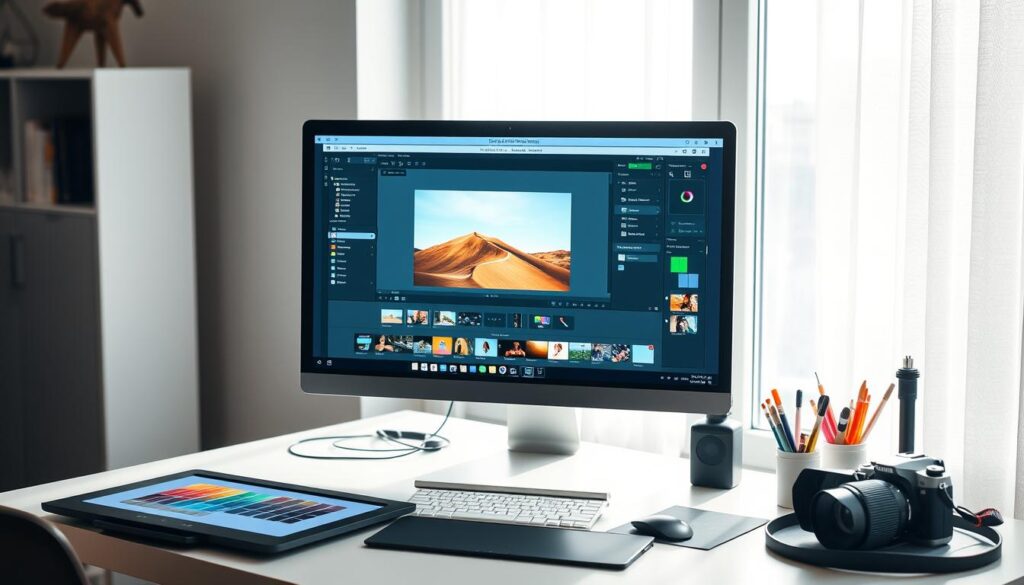
There are many photo editing software options out there. Choosing the right one can be tough. Professional photographers often use Adobe Lightroom and Photoshop. As foldable mobiles become more common, photo editing software might change too. It could become more flexible and easy to use on the go.
The foldable display market will also shape photo editing’s future. As more people use foldable devices, photo editing software will need to adapt. This will make editing more intuitive and fun for users.
- Compatibility with your device and operating system
- Range of editing tools and features
- User interface and ease of use
- Cost and subscription models
Think about these points when picking photo editing software. Keep an eye on the foldable display market and future of foldable mobiles. This way, you can choose the best software for your needs.
Mastering Light and Exposure Adjustments
Mastering light and exposure adjustments is key in professional photo editing. Foldable smartphones offer great benefits, like being portable and versatile. They let photographers take stunning images with little editing needed. By adjusting light and exposure, photographers can make their images look better and more balanced.
Understanding highlights and shadows is crucial. Balance is key for a visually appealing image. With foldable smartphones, photographers can try different lighting and adjust exposure to get the perfect shot.
Understanding Histogram Reading
A histogram shows the tonal values in an image. By reading it, photographers can spot overexposure and underexposure. This is very helpful with foldable smartphones, which are great for many scenes and lighting conditions.
Working with Exposure Compensation
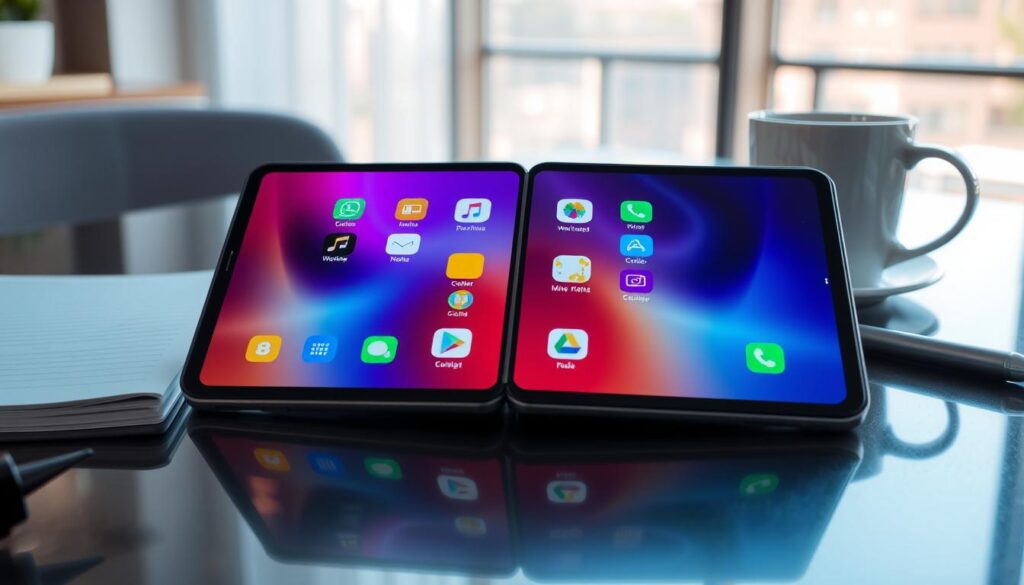
Exposure compensation adjusts an image’s brightness. It helps make the image look better and more balanced. Foldable smartphones make it easy to try different exposure settings. This lets photographers take amazing images with little editing.
| Lighting Condition | Exposure Compensation |
|---|---|
| Low Light | +1 to +2 stops |
| Bright Light | -1 to -2 stops |
How to Edit Photos Like a Professional Photographer: Core Techniques
Foldable smartphones have changed how we take photos on the go. To get the most out of these devices, knowing how pros edit photos is key.
Professional photographers use many techniques to improve their photos. These include raw file processing, color correction, and perfecting white balance. These methods help make your photos look their best, whether you’re using a smartphone or a camera.
Raw File Processing
Raw file processing is a key step in editing photos. It lets photographers work with images in their raw form. This gives them more control over the final look of their photos.
By using raw file processing, photographers can tweak exposure, contrast, and color. This makes their images look more polished and professional.
Color Correction Methods
Color correction is a vital technique for photographers. It involves adjusting the colors in an image to make it look natural and pleasing. With foldable smartphones, color correction is even more important.
These devices can sometimes produce images with unusual colors. By correcting these colors, photographers can make their images look better.
Achieving Perfect White Balance
Getting perfect white balance is crucial in photography. It greatly affects the look and feel of an image. Adjusting white balance helps create a natural color palette.
This is very important when using foldable smartphones. They can capture images in different lighting conditions. Adjusting white balance ensures these images look realistic.
Advanced Color Grading and Tone Management
Advanced color grading and tone management are key for pro photo editors. These skills can make an image go from good to great, adding depth and emotion. With the foldable phone trend growing, editors need to adjust their color and tone work for these new devices.
When editing for foldable phone trend devices, think about how screen size and shape affect the look. You might need to tweak colors, contrast, and tone to fit smaller, flexible screens. This way, editors can make images that pop on foldable phone trend screens.
- Color correction and grading tools
- Tone curve adjustments
- Contrast and exposure management
By learning these techniques and adapting to the foldable phone trend, photo editors can explore new creative paths. They can make images that truly stand out.
Essential Retouching and Enhancement Skills
Retouching and enhancement are key for photo editors. They help make images perfect. Smart folding devices make the process easier and the results better.
Some important techniques include:
- Skin retouching to remove blemishes and imperfections
- Object removal and background cleanup to eliminate distractions
- Sharpening and noise reduction to enhance image clarity
By learning these skills and using smart folding devices, editors can create amazing images. These images are professional and stunning.
Skin Retouching Techniques
Skin retouching removes imperfections like acne and scars. It keeps the skin looking natural. Editors use tools like the spot healing brush and frequency separation for this.
Object Removal and Background Cleanup
Removing objects and cleaning backgrounds is crucial. It makes images clean and simple. Editors use selection tools, masks, and layers for this. It gives them control and flexibility.
Creating Your Signature Style
As photographers and editors, having a unique style is key to standing out. The rise of foldable technology growth means we must adapt and evolve. This change brings new chances for creativity and trying new things.
To make your signature style, think about creating preset collections that show your artistic vision. You can do this by:
- Trying out different color grading methods
- Making custom presets that show your unique look
- Improving your editing skills to keep your work consistent
It’s also important to have consistent color palettes for a unified look. With foldable technology growth, you can find new ways to make and use color palettes. This might mean:
| Color Palette | Description |
|---|---|
| Monochromatic | A single-color scheme that creates a cohesive look |
| Complementary | A color scheme that uses contrasting colors to create visual interest |
| Analogous | A color scheme that uses similar colors to create a harmonious look |
Developing Preset Collections
By working on preset collections and consistent color palettes, you can create a unique style. Stay open to new ideas as foldable technology growth changes the photography and editing world.
Building Consistent Color Palettes
With time and effort, you can develop a signature style that shows your artistic vision. Embrace the chances given by foldable technology growth and see your skills grow.
Mastering Composition in Post-Processing
Editing photos well means knowing how to compose them. This includes using the rule of thirds, leading lines, and symmetry. These help make images look balanced and beautiful. With the future of foldable mobiles coming, we’re excited to see how it will change our editing ways.
Here are some tips for getting better at composition in post-processing:
- Cropping and straightening to refine the image’s perspective
- Adjusting the rule of thirds to create a more balanced composition
- Using leading lines and symmetry to add depth and interest to the image
Looking ahead, the future of foldable mobiles might change how we compose images. We might see more vertical shots or new ways to interact with photos on foldable screens.
By learning composition, photographers and editors can make amazing images. These images grab attention and make a strong impression. Whether using a traditional camera or a future of foldable mobiles device, the basics of composition stay the same. With practice, anyone can master this skill.
Optimizing Photos for Different Platforms
As professional photographers and editors, we must optimize our photos for various platforms. This ensures they look their best. With the rise of foldable smartphones and the growing foldable display market, we need to adjust our image optimization techniques.
When optimizing photos for social media, we should think about the benefits of foldable smartphones. They offer a more immersive viewing experience. So, our images need to be high-quality, visually appealing, and optimized for different screen sizes and resolutions.
Social Media Export Settings
- Choose the right file format (JPEG or PNG)
- Optimize image size and resolution for different social media platforms
- Use relevant keywords and descriptions to improve discoverability
We also need to prepare our photos for print. This requires different optimization techniques. We need to adjust the color profile and resolution to ensure our images look great on paper.
Print-Ready File Preparation
By understanding the benefits of foldable smartphones and the foldable display market, we can create images for both digital and print platforms. This way, our photos will look their best, no matter how they’re viewed.
Conclusion: Taking Your Photo Editing to the Next Level
The world is loving foldable smartphones more and more. This means we all want our photos to look amazing. By learning to edit photos like a pro, you can make your pictures stand out. This guide has given you the tools and tips to improve your photo editing skills.
You now know how to adjust light and colors in your photos. You can even retouch them to make them look perfect. Remember, getting better takes practice and keeping up with new trends.
Start using your foldable smartphone to take and edit photos. Use its special features to make images that grab people’s attention. This is great for social media, marketing, or just for fun.
You’re ready to become a photo editing expert. Keep trying new things and learning. Your next amazing photo is just a few clicks away.