Upgrading your PC’s RAM is a simple way to boost its performance. It lets you run many apps at once and cuts down on lag. This upgrade works for PCs and might even be used in future devices with foldable screens, like smartphones.
Adding more RAM makes your computer handle tough tasks easily. It’s a key upgrade for anyone wanting better system performance. Whether you’re gaming, studying, or working, more RAM can greatly improve your experience.
Introduction to Upgrading PC RAM
In this guide, we’ll show you how to upgrade your PC RAM. We’ll cover what RAM is, why it’s important, and how to install it. You’ll learn how upgrading RAM can make your system run better.
Key Takeaways
- Upgrading PC RAM can significantly improve system performance
- The benefits of upgrading RAM include increased efficiency and productivity
- Upgrading PC RAM is a straightforward process
- The rise of foldable smartphones demonstrates the importance of upgrading devices for better performance
- Upgrading PC RAM can be applied to various devices, including PCs and potentially future devices with foldable display technology
- More RAM allows your computer to handle multiple applications simultaneously, reducing lag
Understanding PC RAM and Its Importance
RAM is key for computer performance. It helps applications run smoothly by accessing data quickly. With the growth of smart devices and foldable phones, knowing about PC RAM types is vital.
In today’s world, having enough RAM is a must. It makes multitasking better and tasks faster. Here are some key benefits of having enough RAM:
- Improved multitasking capabilities
- Faster execution of tasks
- Enhanced overall system performance
As technology advances, knowing about PC RAM types is important. This knowledge helps you upgrade your system wisely. Whether you use your computer a lot or just for fun, the right RAM makes a big difference.
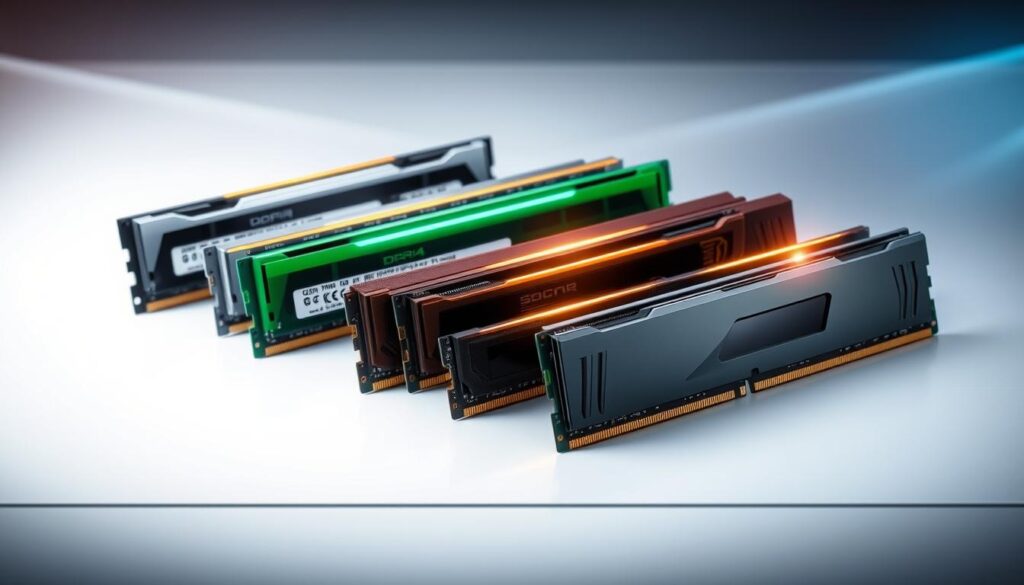
In conclusion, RAM is crucial for any computer. Its role is too important to ignore. By understanding its value and keeping up with PC RAM types, you can improve your computer experience.
| RAM Type | Speed | Capacity |
|---|---|---|
| DDR4 | 2133 MHz | 16 GB |
| DDR5 | 3200 MHz | 32 GB |
Types of RAM Available in the Market
When you think about Upgrade PC RAM, knowing the different RAM types is key. The market has DDR3, DDR4, and DDR5 RAM. Each has its own specs and compatibility, so picking the right one is important for your computer’s upgrade. Even though smart folding devices and future of foldable mobiles are interesting, we focus on finding the best RAM for your needs.
The main differences between these RAM types are in speed, capacity, and power use. DDR5, for example, is faster and uses less power than older versions. Here’s a quick look at the main types of RAM:
- DDR3: An older RAM type still found in the market but less efficient than newer ones.
- DDR4: A common RAM type that balances speed and capacity well.
- DDR5: The newest RAM type, offering the fastest speeds and lowest power use.
Picking the right RAM is crucial for compatibility and performance. With the rise of future of foldable mobiles and smart folding devices, the RAM market is set to evolve. As tech advances, we’ll see more demand for faster, more efficient RAM, making it an exciting time for Upgrade PC RAM.
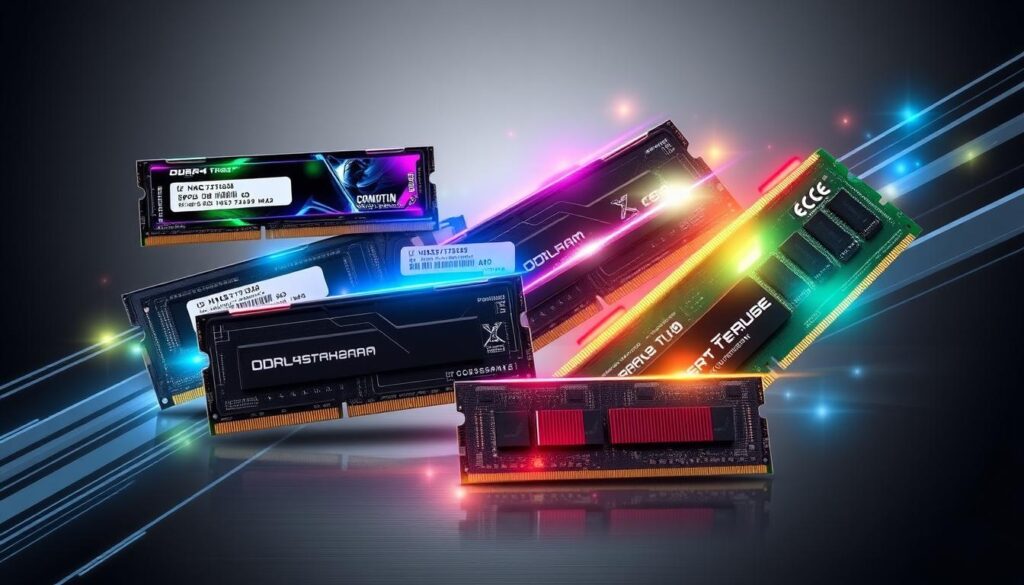
In summary, knowing the different RAM types is essential for a successful upgrade. By looking at the various options and their specs, you can get the best performance and compatibility. This sets you up for a great Upgrade PC RAM experience.
| RAM Type | Speed | Capacity | Power Consumption |
|---|---|---|---|
| DDR3 | Up to 1600 MHz | Up to 64 GB | 1.5 V |
| DDR4 | Up to 3200 MHz | Up to 128 GB | 1.2 V |
| DDR5 | Up to 6400 MHz | Up to 256 GB | 1.1 V |
How to Upgrade PC RAM: Step-by-Step Process
Upgrading your PC’s RAM can make it run better. You can open more apps at once and handle tough tasks easily. First, check your current RAM to see what you can add. This ensures it fits right and keeps your system stable.
Upgrading RAM is like the growth of foldable tech, like foldable phones. But, we focus on making your PC faster. The process is simple but needs care to avoid damage.
Checking Your Current RAM Configuration
To start, find out what RAM your computer uses and how many slots you have. Look in your computer’s settings or check the motherboard directly.
Choosing Compatible RAM Modules
Picking the right RAM is key. Wrong ones can mess up your system. Make sure the speed, capacity, and type match your computer’s needs.
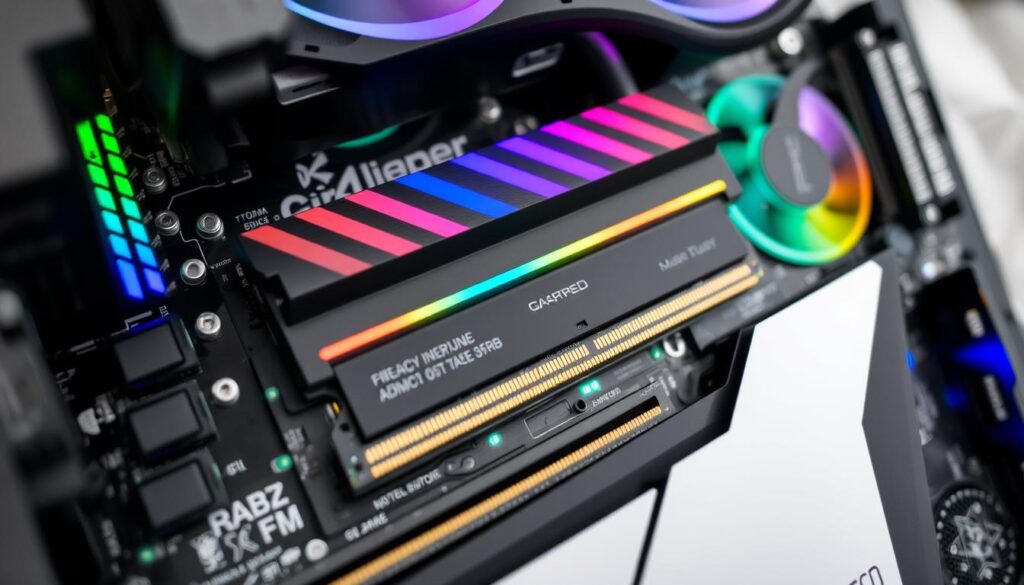
Installation Process Explained
Installing RAM is easy. First, ground yourself to avoid static damage. Then, open your computer and remove any old RAM. Put in the new ones, making sure they click into place.
Post-Installation Verification
After installing, check if your system recognizes the new RAM. Look in your settings or run a test. If it works, your computer will run smoother, perfect for heavy tasks.
| Step | Description |
|---|---|
| 1. Check Current RAM Configuration | Identify the type and amount of RAM your computer can handle. |
| 2. Choose Compatible RAM Modules | Select modules that match your computer’s specifications. |
| 3. Install New RAM Modules | Ground yourself, access the RAM slots, and install the new modules. |
| 4. Verify Installation | Check that the new RAM is recognized and functions properly. |
Common RAM Specifications Explained
When you’re upgrading your PC RAM, knowing the specs is key. Speed, latency, and capacity are what matter. Faster speeds and lower latency mean better performance. But, make sure it fits your motherboard too.
The foldable display market might shape future RAM tech. But for now, focus on what’s available. Key specs to look at include:
- Speed: Measured in MHz, this shows how fast your RAM moves data.
- Latency: Measured in timings like CAS latency, it’s the delay from request to response.
- Capacity: Measured in GB, it’s how much data your RAM can hold.
When picking RAM, think about these specs and check if they match your motherboard. This way, you can upgrade your PC RAM and see better performance and efficiency.
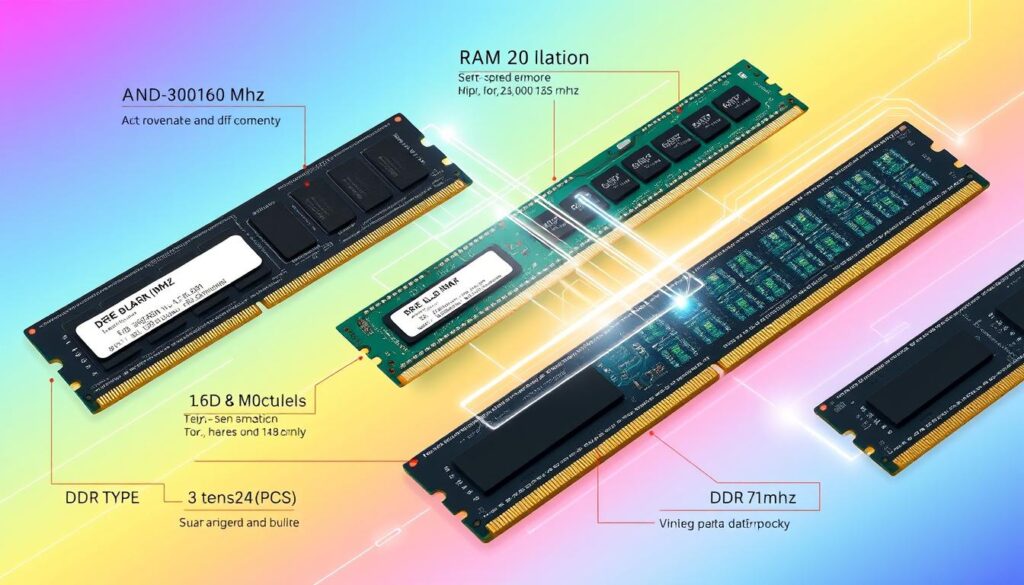
| Specification | Description |
|---|---|
| Speed | Measures how quickly RAM can transfer data |
| Latency | Measures the delay between when RAM receives a request and responds |
| Capacity | Measures the amount of data RAM can store |
RAM Speed and Performance Considerations
RAM speed is key to making your PC run better. As we move towards future of foldable mobiles and smart folding devices, knowing how RAM speed affects performance is crucial.
The memory clock speed, measured in MHz, is a major factor. Newer DDR generations are faster and use less power. They’re perfect for demanding tasks. To get the most out of your RAM, understanding memory clock speeds and timing is vital.
DDR Generations Explained
DDR (Double Data Rate) generations have grown a lot over time. Each new generation brings better performance and efficiency. For example, DDR4 can go up to 3200 MHz. DDR5 is on the way and will be even faster.
Memory Clock Speeds and Timing
Memory clock speeds and timing are key to RAM performance. A higher clock speed can greatly improve your system’s performance. This is true for tasks that need lots of RAM, like gaming and video editing.
Dual Channel vs Single Channel
Using RAM in a dual channel setup can almost double the bandwidth. This gives a big performance boost. It’s great for tasks that need lots of RAM bandwidth, like smart folding devices and other high-performance systems.
Potential Risks and Safety Precautions
When you think about upgrading your PC’s RAM, it’s key to know the PC RAM upgrade risks. Static electricity can harm your components. To avoid this, make sure to ground yourself before touching any parts. You can do this by touching a metal object or wearing an anti-static wrist strap.
Another risk is damaging the RAM or motherboard. To prevent this, handle the RAM carefully by its edges. Also, check that the RAM fits your system to avoid damage or performance problems. While benefits of foldable smartphones are interesting, they don’t relate to upgrading your PC’s RAM.
Here are some important safety steps for upgrading your PC’s RAM:
- Ground yourself to prevent static electricity damage
- Handle the RAM by the edges to avoid touching the electrical contacts
- Ensure the RAM is compatible with your system
- Follow the manufacturer’s instructions for installation
By following these steps, you can reduce the PC RAM upgrade risks and have a successful upgrade. Always be careful when working with internal parts. If you’re not sure about anything, it’s best to get professional help. Whether you’re upgrading your RAM for better performance or exploring new tech like benefits of foldable smartphones, safety comes first.
A successful RAM upgrade can greatly improve your computer’s performance. It’s worth the effort. Just remember to be cautious and detailed to avoid any risks.
| Risk | Safety Precaution |
|---|---|
| Static Electricity Damage | Ground yourself before handling internal components |
| Physical Damage to Components | Handle the RAM by the edges, avoiding contact with electrical contacts |
Cost vs Performance Analysis
When thinking about upgrading your PC’s RAM, it’s key to look at the PC RAM cost and the performance boost you might get. RAM prices vary a lot, with more capacity and speed costing more. But, for those who use lots of memory, the investment can really pay off.
The rise of foldable technology growth might change RAM prices and performance later. But for now, focusing on the value of upgrade PC RAM is important. To choose wisely, think about these points:
- Current RAM setup and upgrade options
- What your apps need in terms of performance
- How much you can spend and if it’s worth it
Upgrading your RAM can greatly improve your PC’s performance. This makes it a smart choice for many. By looking at the PC RAM cost and what you’ll gain, you can pick the best option for your budget and needs.
In the end, whether to upgrade PC RAM depends on your situation. By considering these factors and weighing the pros and cons, you can boost your PC’s speed and efficiency.
Troubleshooting Common RAM Issues
Upgrading your PC RAM can sometimes lead to problems like memory detection issues or performance problems. To fix these, you need to do some RAM troubleshooting. This means checking if the RAM is installed right, making sure it works with your motherboard, and maybe tweaking some BIOS settings.
As we move forward with foldable mobiles, tackling current RAM issues in PCs is key. Memory detection problems can be fixed by re-seating the RAM or updating the motherboard drivers. Performance issues after upgrading can be solved by adjusting BIOS settings or installing the latest OS updates.
Common RAM Issues and Solutions
- Memory detection problems: re-seat the RAM modules or update the motherboard drivers
- Performance issues after upgrade: adjust the RAM settings in the BIOS or install the latest operating system updates
- Compatibility concerns: check the motherboard manual or manufacturer’s website for compatible RAM modules
By following these steps, you can solve common RAM problems and keep your PC running smoothly after a RAM upgrade. Whether you’re upgrading your RAM or looking into foldable mobiles, knowing how to troubleshoot RAM is crucial for the best performance.
Conclusion: Maximizing Your RAM Upgrade Benefits
Upgrading your PC’s RAM is a simple yet impactful way to enhance its performance. By choosing compatible and high-quality RAM modules, you can unlock smoother multitasking. This means faster application execution and improved overall responsiveness.
While the benefits of foldable smartphones and smart folding devices may be intriguing, the key to unlocking your PC’s full potential lies in optimizing its RAM capacity. This is crucial for a better computing experience.
Remember, the success of your RAM upgrade hinges on following the installation process carefully. Ensure your system is properly configured. With the right mix of compatible RAM, your PC will be better equipped to handle demanding tasks.
By maximizing the benefits of your RAM upgrade, you’ll enjoy a more responsive and efficient computing experience. This leaves you free to explore the latest advancements in technology at your own pace.